

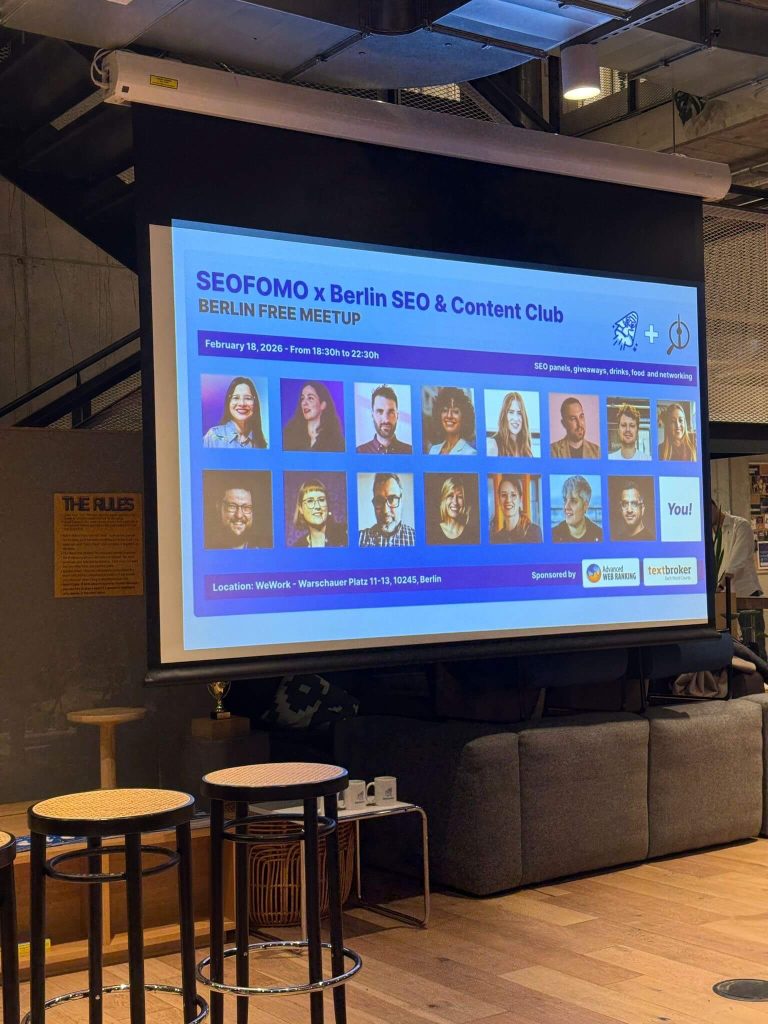
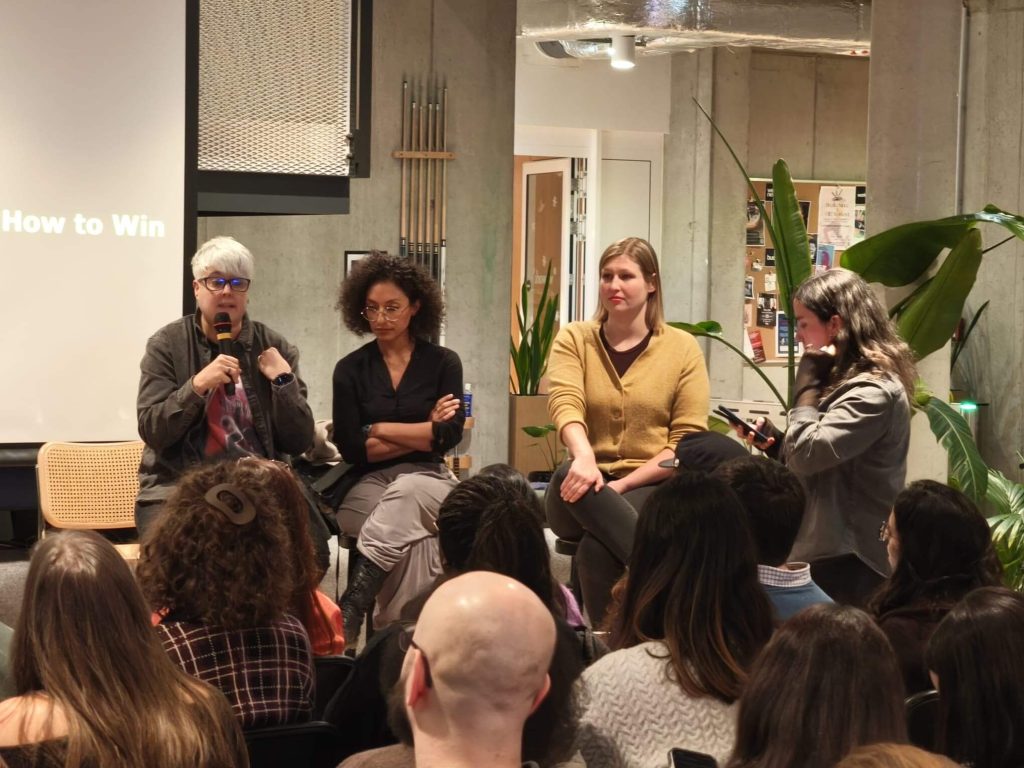
A few days ago, I had the opportunity to take part in a panel organized by Aleyda Solis, alongside brilliant professionals like Nitin Manchanda, Niklas Buschner, Jennifer L., Sharon Peredo Sahid, Gianluca Fiorelli, Maximilian Muhr, Gerry White, Sabine Langmann, Vanda Pókecz, Natalia Witczyk, Valen Correa and other colleagues from agencies, in-house, and consultancy. We discussed what is probably the most complex moment the SEO industry has seen in decades. What stood out most was a mix of unease and maturity. Despite the noise, the message was surprisingly clear: SEO is not dying, but it needs to get better.
The Real Shift: From Clicks to Impactful Visibility
For years, we operated under a relatively comfortable narrative: more organic traffic meant more business opportunities. Even when zero-click search grew, we still had metrics that helped us explain performance.
Today, in AI-powered search environments, users can resolve much of their research without leaving the interface, meaning the click is no longer the center of the system. What becomes more relevant is qualified visibility—being present in the answer, being part of the consensus, being mentioned as a reference.
This demands a shift in mindset: not just optimizing individual pages, but understanding how our brand is interpreted by models that synthesize information. The question stops being “where do we rank?” and becomes “are we part of the answer when the user expresses their problem?”

The Elephant in the Room: Attribution
One of the most honest moments of the panel was when we talked about metrics. Attribution was already complex before AI, but today it feels more like a black box. A user can discover your brand in a large language model, search for it in Google later, click on a branded ad and convert through direct traffic. Who gets the credit?
In many cases, the only way to approach reality is by combining imperfect signals—self-reported attribution (“how did you find us?”), tracking brand search trends, LLM-referred traffic, qualitative analysis of sales calls, and mentions in commercial conversations. No single metric paints the full picture, but together they can start to show trends. Accepting directional indicators rather than perfect certainty feels like a sign of a more mature discipline.

Brand, Entity and Coherence: What We Should Have Always Done
If there was one repeated idea, it’s that many of the “new” recommendations aren’t really new. They are fundamentals that have become non-negotiable: clear brand building, consistency in messaging, real authority work, clear structure, well-implemented schema, strategic internal linking, digital PR that generates coherent mentions, and collaboration across teams—SEO, content, product, branding, and sales.
The nature of the work hasn’t changed; the level of expectation has. Modern models don’t just crawl a URL—they interpret entities, relationships, and context. That’s why semantic consistency across all touchpoints is now a structural asset.
Internationalization and Bias: The Added Challenge
We also addressed an issue that cannot be ignored: bias toward English in many AI systems. Even when queries are made in other languages, English content often dominates answers. For European or Latin American brands, this introduces an extra layer of competition, where linguistic and cultural context doesn’t always play in their favor. Reinforcing differentiation—what’s unique about your voice—becomes essential.

What to Expect in 2026
Predictions varied, but there was consensus on several points: personalization will intensify as user profiles become more persistent; advertising within AI interfaces will grow; user-generated and audiovisual content will increase in importance as reference sources; and pressure to demonstrate real business impact will rise, especially in larger organizations. In short: fewer vanity metrics and more accountability for results.
An Uncomfortable but Necessary Conclusion
If I had to choose one final takeaway, it’s that SEO is no longer just a tactical optimization discipline. It has become a strategic one—one that aligns brand, product, content, experience, and data. We must accept that perfect attribution may never return, yet still explain clearly what problem we solve and what impact we generate.
This isn’t the time to chase every new trend with anxiety. It’s the time to strengthen foundations, listen more closely to users, and embrace that our work is now deeply connected to how a brand is understood and perceived in an ecosystem where answers are synthesized—a connection that elevates the role of SEO.
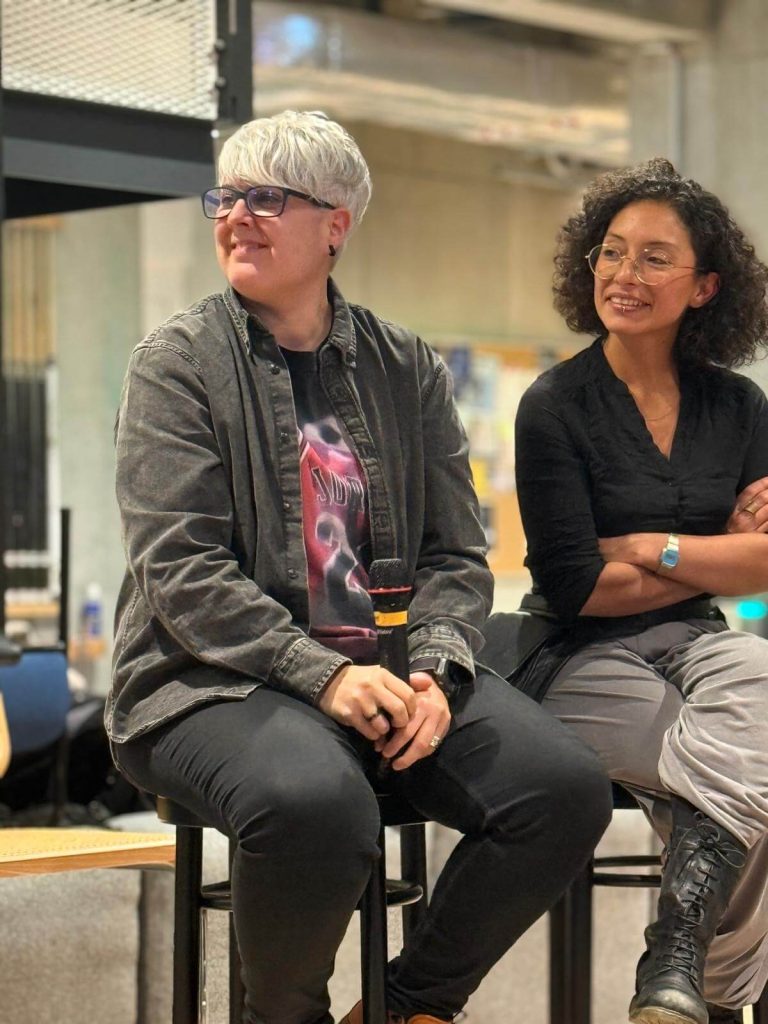
Soy MJ Cachón
Consultora SEO desde 2008, directora de la agencia SEO Laika. Volcada en unir el análisis de datos y el SEO estratégico, con business intelligence usando R, Screaming Frog, SISTRIX, Sitebulb y otras fuentes de datos. Mi filosofía: aprender y compartir.